How peatlands remove
CO & store carbon

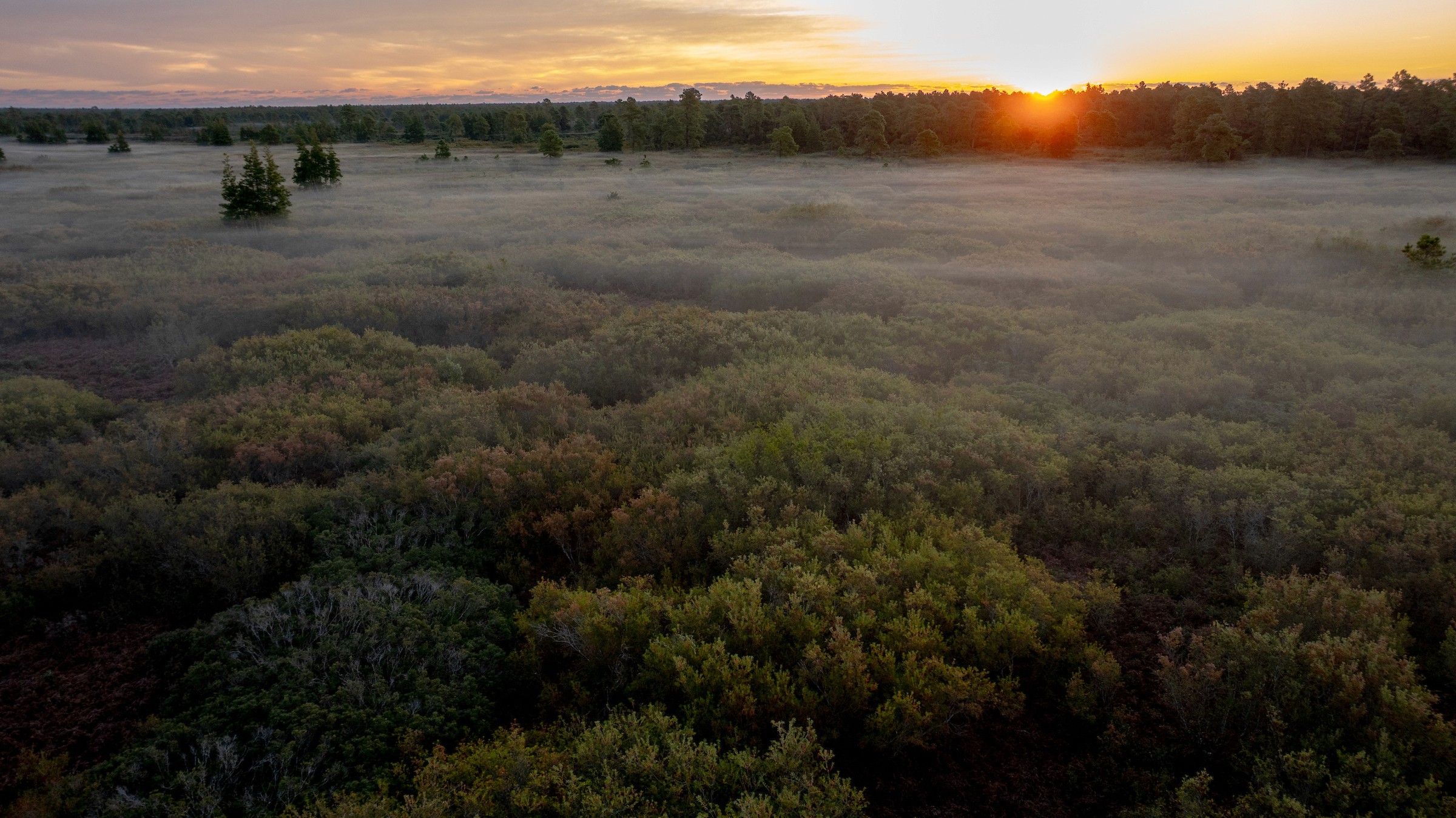
Pocosin peatlands are powerful carbon sinks, quietly pulling carbon dioxide out of the air and storing it as organic carbon in the peat soil.

Their unique, waterlogged environments turn plant litter into long-term carbon removal.

Pocosin peatlands are powerful carbon sinks, quietly pulling carbon dioxide out of the air and storing it as organic carbon in the peat soil.

Their unique, waterlogged environments turn plant litter into long-term carbon removal.

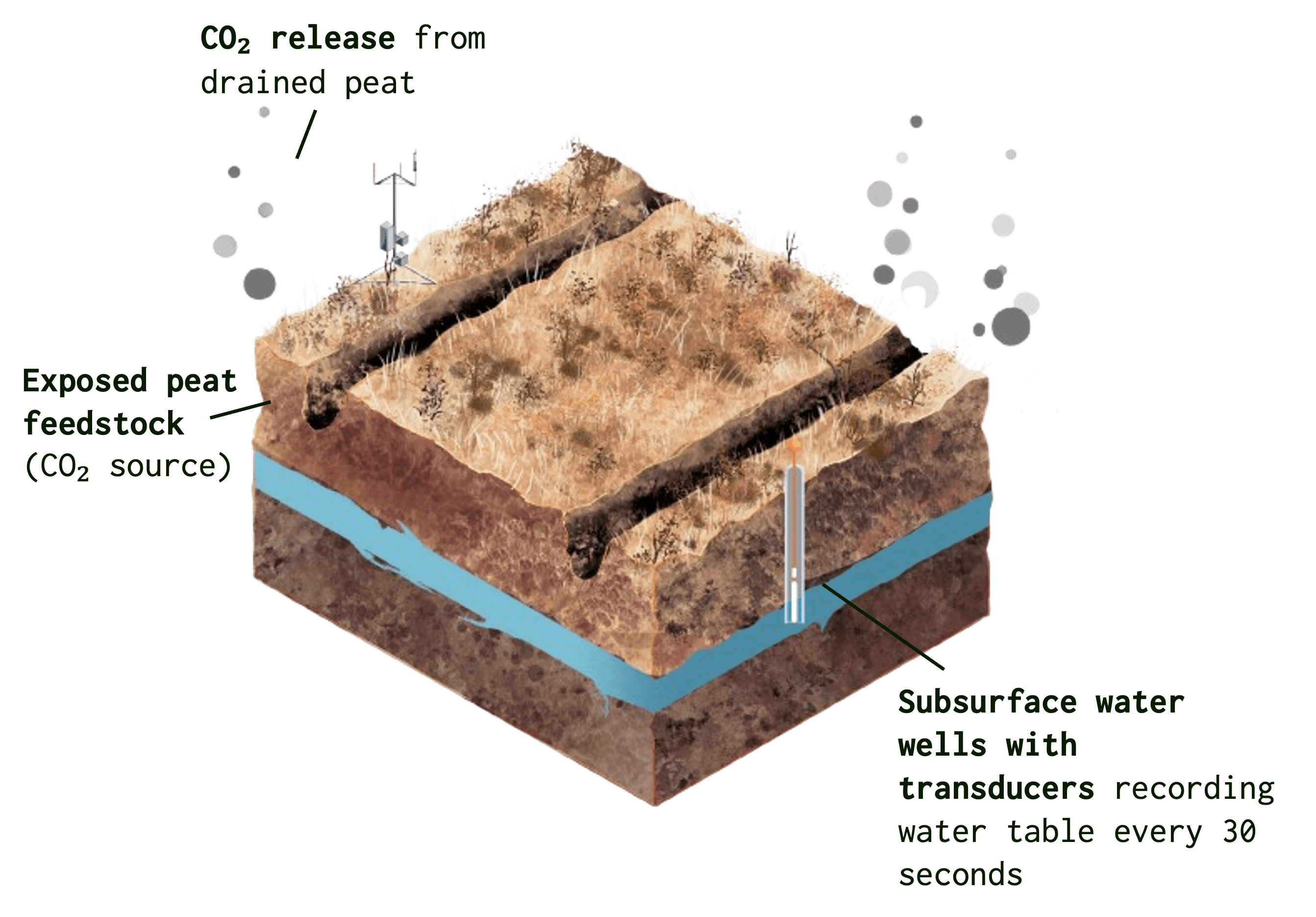
Degraded Peatlands

  • 10% of total peatlands worldwide, with a further 500,000 hectares destroyed each year

  • Emit nearly 3 GT of CO2e emissions per year (~5% of all anthropogenic GHG emissions) without any social or economic utility

  • Negate the carbon sequestration of all nature-based solutions globally, causing a negative net carbon sequestration for the biosphere
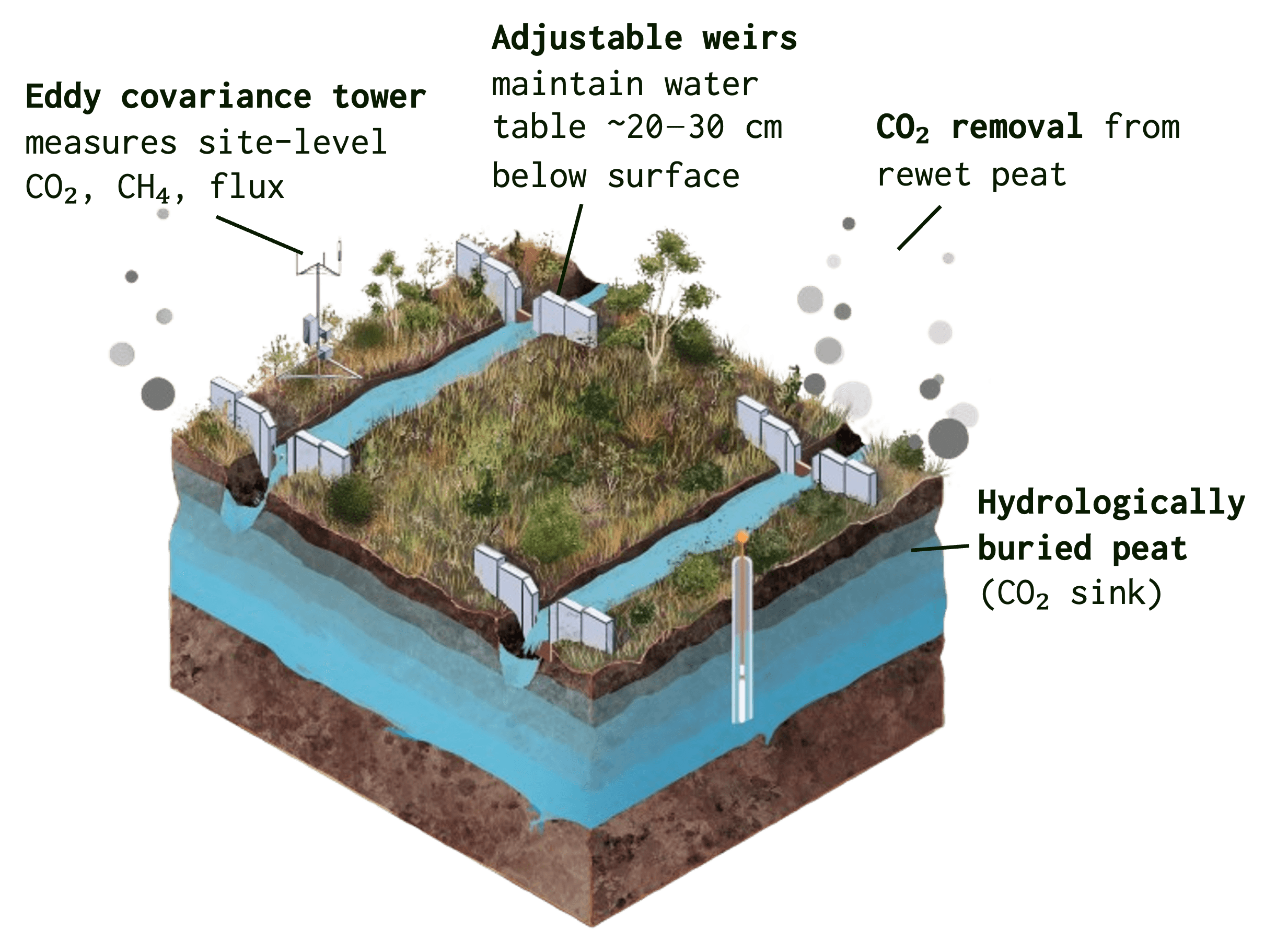
Restored Peatlands

  • Immediately halt ongoing carbon emissions and convert degraded peatlands back into long-term, effectively permanent carbon sinks

  • Rebuild resilient ecosystems that support biodiversity, from large mammals to unique plant species

  • Reduce fire risk and protect water resources by keeping soils saturated, filtering water, and slowing saltwater intrusion in coastal areas
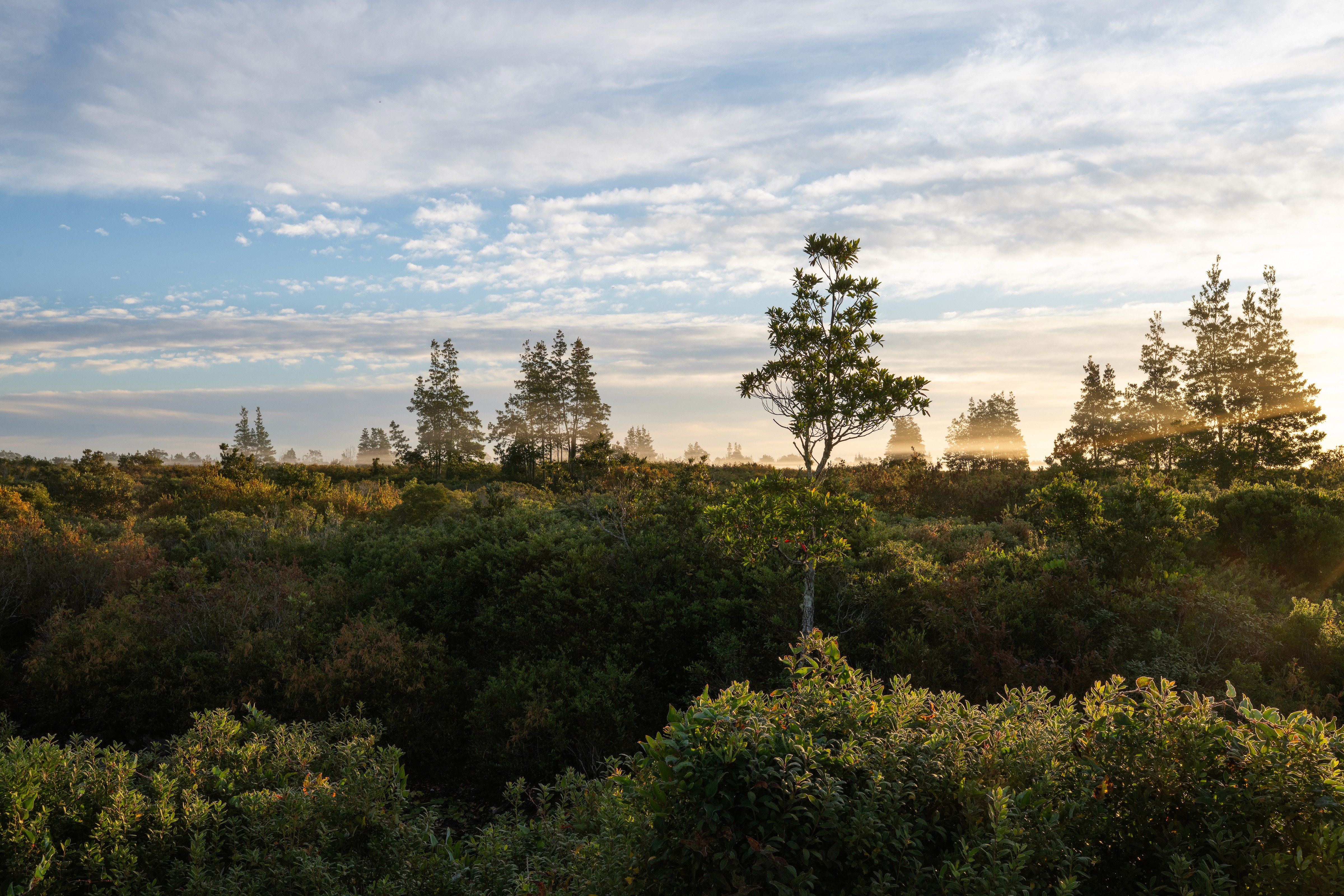
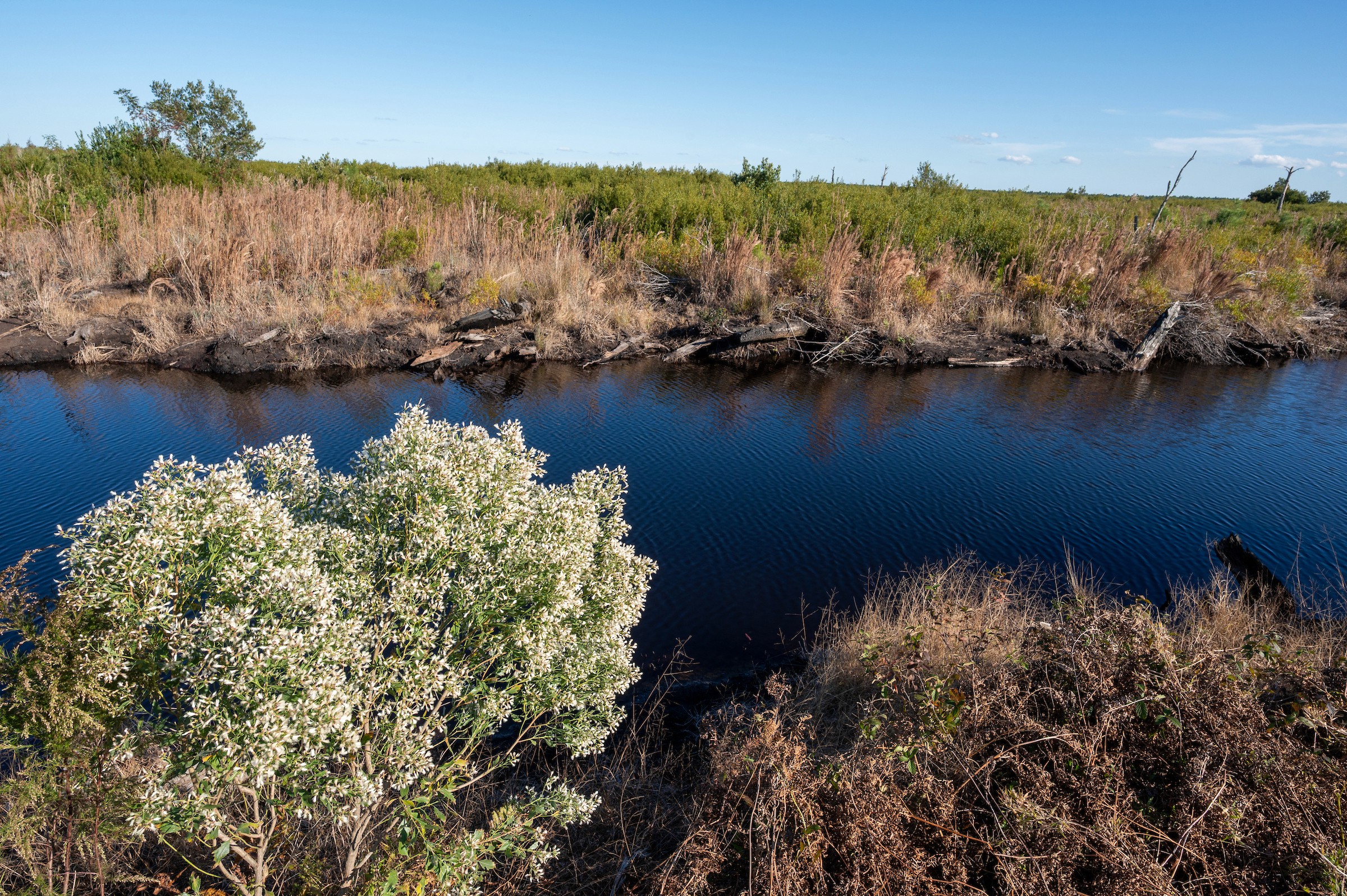
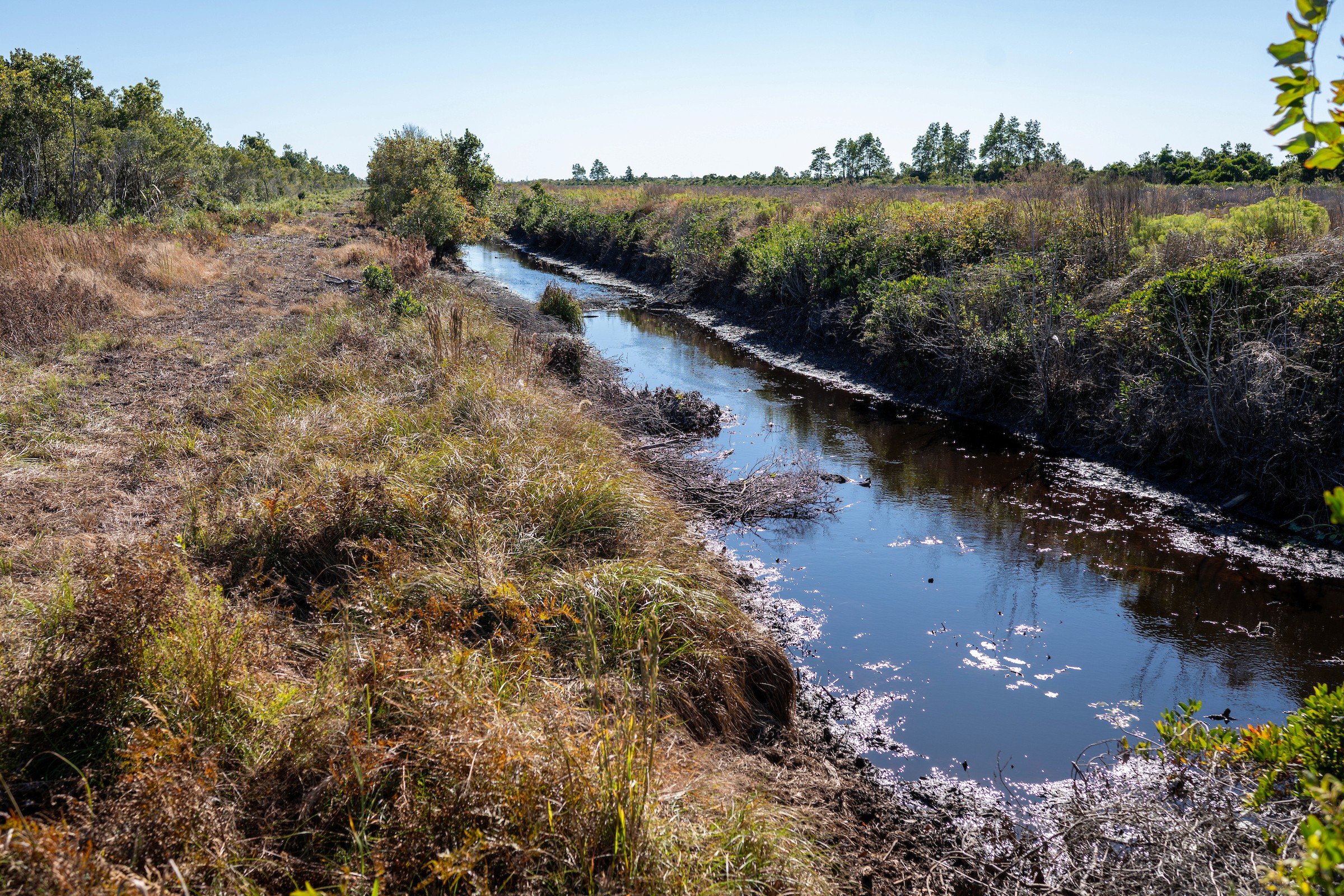
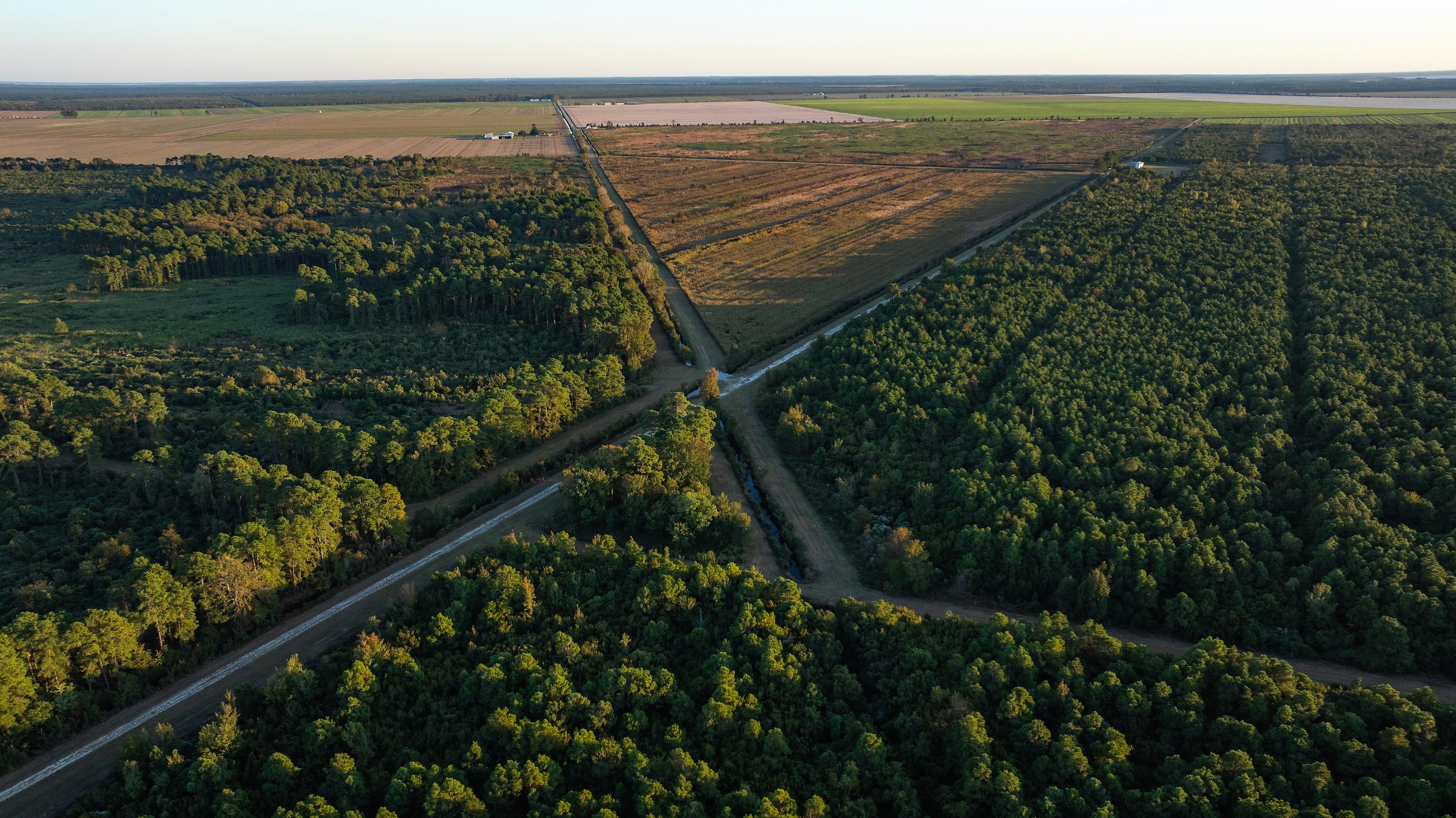
PER I is the first commercial-scale peatland restoration project in the United States — 14,500 acres of drained pocosin peatland, bordered on three sides by a federal wildlife refuge and home to some of the deepest peat deposits on the Southeast Coast. Historically degraded for agriculture and forestry, the land lost its function as a carbon sink and became a persistent source of emissions and fire risk. Pantheon is restoring it through large-scale rewetting, turning a compromised landscape back into one that sequesters carbon, supports biodiversity, and builds resilience against climate extremes.

Pocosin Ecological Reserve I

PER I is the first commercial-scale peatland restoration project in the United States — 14,500 acres of drained pocosin peatland, bordered on three sides by a federal wildlife refuge and home to some of the deepest peat deposits on the Southeast Coast. Historically degraded for agriculture and forestry, the land lost its function as a carbon sink and became a persistent source of emissions and fire risk. Pantheon is restoring it through large-scale rewetting, turning a compromised landscape back into one that sequesters carbon, supports biodiversity, and builds resilience against climate extremes.

Pocosin Ecological Reserve I

PER I is the first commercial-scale peatland restoration project in the United States — 14,500 acres of drained pocosin peatland, bordered on three sides by a federal wildlife refuge and home to some of the deepest peat deposits on the Southeast Coast. Historically degraded for agriculture and forestry, the land lost its function as a carbon sink and became a persistent source of emissions and fire risk. Pantheon is restoring it through large-scale rewetting, turning a compromised landscape back into one that sequesters carbon, supports biodiversity, and builds resilience against climate extremes.

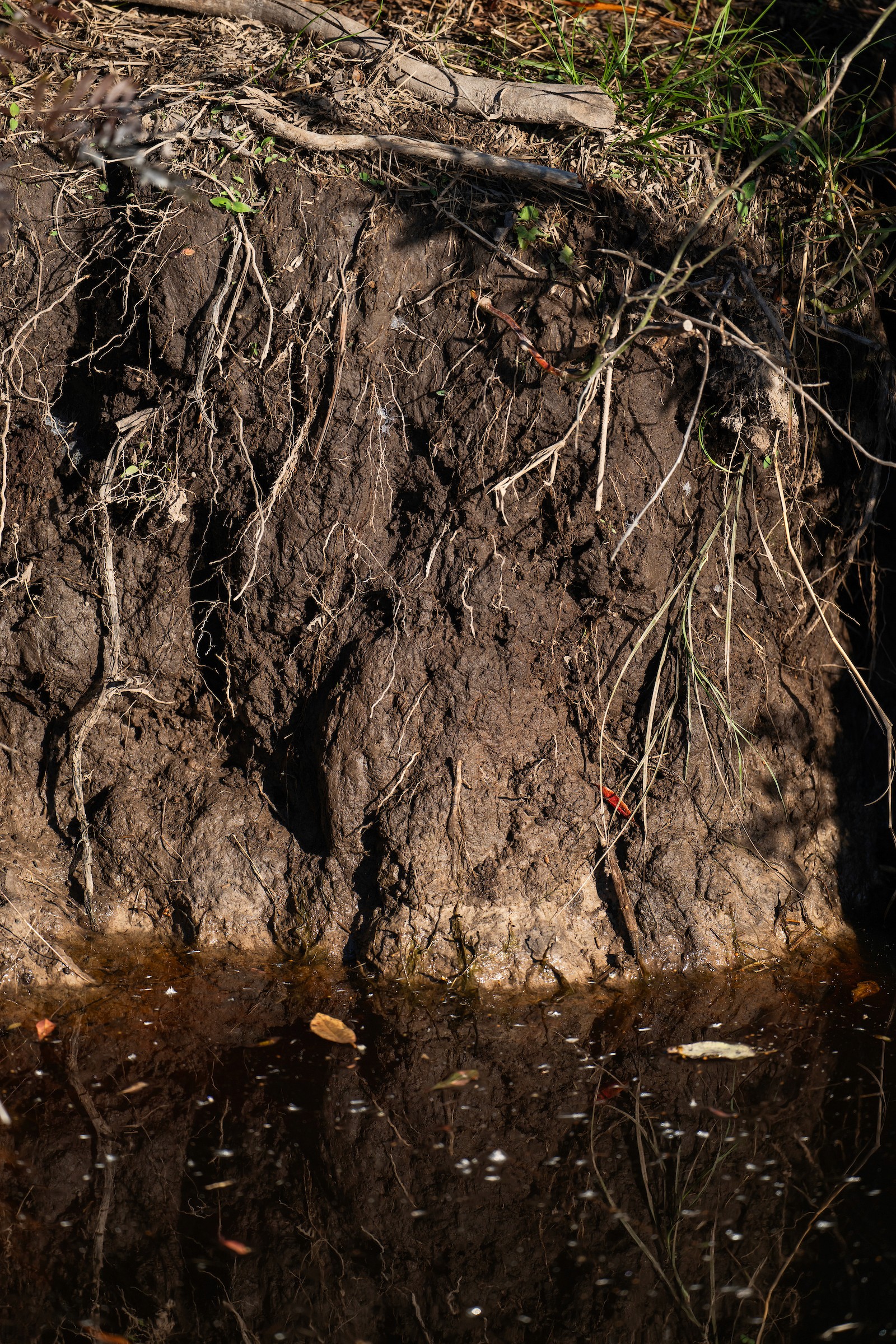
How peat captures CO₂

Pocosin peatlands are powerful carbon sinks, quietly pulling carbon dioxide out of our air.

Their unique, waterlogged environments turn plants into long-term carbon storage.

How peat captures CO₂

Pocosin peatlands are powerful carbon sinks, quietly pulling carbon dioxide out of our air.

Their unique, waterlogged environments turn plants into long-term carbon storage.

The power of rewetting peat

Carbon Density

Peatlands concentrate carbon more densely than any other terrestrial ecosystem — up to ten times more per hectare than forests or grasslands.

Permanence

When peatlands are rewet, waterlogged soils suppress decomposition, locking carbon securely for millenia. They offer one of the most durable forms of carbon removal in nature, if not drained.

Resilience Co-benefits

By restoring natural hydrology, peatlands stabilize water flows during drought, floods, and storms while also reducing fire risk — creating safer, more resilient landscapes for people and nature.

Biodiversity Co-benefits

Restoration revives habitats for rare and endangered species and strengthens ecosystem connectivity. From migratory birds to native plants, biodiversity rebounds quickly when degraded peatlands are restored.

Water Co-benefits

Rewet peatlands act as natural sponges and filters, storing and purifying freshwater to improve water quality and availability downstream.

Health Co-benefits

Restoration reduces harmful smoke from peat fires, lowering respiratory risks and improving air quality for nearby communities.

Carbon Density

Peatlands concentrate carbon more densely than any other terrestrial ecosystem — up to ten times more per hectare than forests or grasslands.

Permanence

When peatlands are rewet, waterlogged soils suppress decomposition, locking carbon securely for millenia. They offer one of the most durable forms of carbon removal in nature, if not drained.

Resilience Co-benefits

By restoring natural hydrology, peatlands stabilize water flows during drought, floods, and storms while also reducing fire risk — creating safer, more resilient landscapes for people and nature.

Biodiversity Co-benefits

Restoration revives habitats for rare and endangered species and strengthens ecosystem connectivity. From migratory birds to native plants, biodiversity rebounds quickly when degraded peatlands are restored.

Water Co-benefits

Rewet peatlands act as natural sponges and filters, storing and purifying freshwater to improve water quality and availability downstream.

Health Co-benefits

Restoration reduces harmful smoke from peat fires, lowering respiratory risks and improving air quality for nearby communities.

Get in touch

Get in touch

We’re excited to connect with partners ready to scale the world’s most powerful natural climate solution.

Follow us

Pantheon Regeneration

© 2026 Pantheon Regeneration. All rights reserved.